
House Inspection Checklist for Buyers: What to Check Before Finalizing a Home
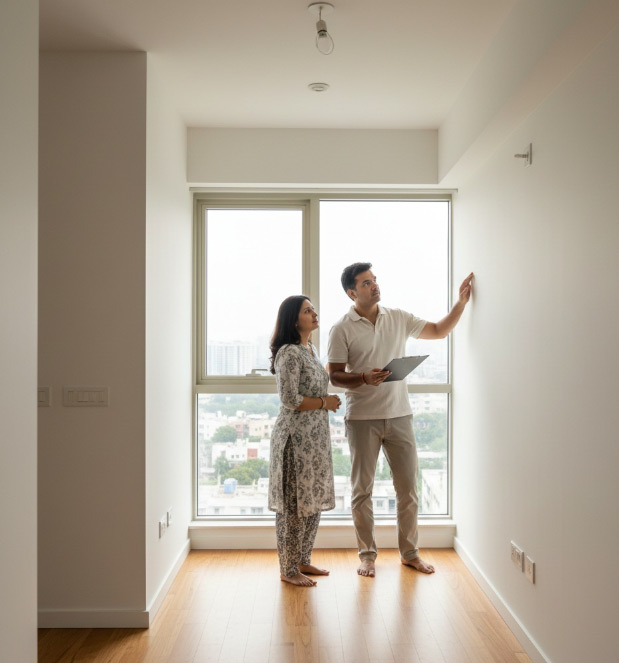
Introduction – Why Every Buyer Should Inspect a Home Before Purchase
Buying a home is an emotional decision. You walk into a beautifully designed flat, imagine your future there, and feel tempted to decide quickly. This is exactly where many buyers go wrong. A proper house inspection checklist for buyers helps you slow down, look beyond appearances, and make a confident, informed choice.
Skipping inspection often leads to long-term regret—hidden dampness, electrical issues, poor ventilation, or quality compromises that become visible only after possession. A structured checklist protects you from these risks and ensures the home you choose offers safety, comfort, and long-term peace of mind.
Before you shortlist a property, explore thoughtfully planned residential developments that prioritise quality construction, legal transparency, and long-term livability. Projects like Shapoorji Pallonji Vanaha are designed to meet modern homebuyer expectations offering well-planned layouts, reliable infrastructure, and a balanced living environment.
Important Documents to Verify Before House Inspection
Before focusing on physical inspection, document verification is essential. Inspection without paperwork clarity is incomplete.
Check the project’s RERA registration details and ensure the registration number is clearly displayed. Review approved layout plans to confirm that the flat configuration and carpet area match what is being offered.
Also verify the occupancy or completion status, depending on whether the project is under construction or ready. Carefully read the agreement draft and possession terms to understand timelines, handover conditions, and responsibilities.
Why this matters: A home that looks perfect but lacks clear documentation can create legal and financial stress later.
Interior Inspection Checklist for Homebuyers
Floors, Walls, and Ceilings
Check whether the flooring is even and properly finished. Uneven tiles or gaps may indicate rushed work. Walls should be free from visible cracks or uneven plaster. Look at the ceiling for seepage marks or patchwork, which may suggest waterproofing issues.
Doors, Windows, and Cross Ventilation
Doors should open and close smoothly with proper alignment and secure locks. Windows must be sturdy, easy to operate, and fitted with quality safety grills where required. Adequate cross ventilation is important for natural airflow and long-term comfort.
Signs of Dampness and Moisture
Look for mould spots on walls or ceilings, especially near bathrooms and balconies. Damp corners, peeling paint, or a musty smell often indicate moisture problems that can worsen over time.
Safety and Space Checks
Inspect gas pipeline positioning and check for any visible leakage signs. Also evaluate carpet area usability—not just the number mentioned in documents, but how practically the space can be used for furniture and movement.
Plumbing Inspection Checklist
Water Taps and Fixtures
Turn on taps to check water pressure consistency. Inspect the quality of fittings, as poor fixtures often lead to frequent maintenance issues.
Drainage and Sewer System
Check whether water drains quickly without backflow. Proper drainpipe slope is essential. Clarify sewer connection details and maintenance responsibilities.
Toilet Functionality and Leak Inspection
Test toilet flush performance and look for leakage near joints or at the base. Proper waterproofing helps prevent seepage into walls and adjacent rooms.
Electrical Inspection Checklist
Switches, Outlets, and Wiring
Switches should be conveniently placed and firmly fixed. Look for loose fittings or exposed wiring, which can be a safety risk.
Electrical Panel and Load Planning
Inspect the main electrical panel and ask about load capacity. A well-planned home should comfortably support appliances like air conditioners, geysers, and kitchen equipment.
Safety Devices
Ensure safety systems such as circuit interrupters (GFCI and AFCI where applicable) are installed. Proper earthing and surge protection are critical for electrical safety.
Exterior and Common Area Inspection Checklist
Exterior Walls and Structural Areas
Inspect external walls for cracks and uneven finishes. Paint quality should be uniform, as exterior repairs can be difficult after possession.
Staircases, Elevators, and Fire Safety
Staircases should be well-lit and ventilated. Elevators must feel smooth and adequate for the building size. Fire exits, emergency lighting, and safety signage should be clearly visible.
Open Spaces and Outdoor Areas
If the project includes terraces, lawns, or open spaces, check waterproofing and drainage. Poor drainage often leads to waterlogging issues during monsoon.
Entrance and Security Systems
Review main gate security, CCTV coverage, and access control systems. A clear visitor entry process adds to everyday safety and convenience.
Compliance and Legal Safety Checks
Compliance with RERA Norms
Confirm that the RERA number displayed matches official records. Project details such as layout, amenities, and timelines should align with approved plans. Transparent compliance reflects responsible project execution.
Pre-Possession Checklist for Buyers
Before taking possession, verify that all items in the final snag list are resolved. Confirm installation of electricity, water, and gas meters. The flat should be handed over in clean condition.
Collect all keys, manuals, warranties, and service documents. Always obtain written possession confirmation to avoid future disputes.
Common Mistakes Buyers Make During House Inspection
Many buyers ignore dampness and ventilation, assuming they can fix it later. Others skip electrical safety checks or focus only on interiors while overlooking common areas. Not asking questions during site visits is another frequent mistake. Inspection is your right—use it fully.
Final Checklist Summary for Homebuyers
House inspection is not about distrust; it is about awareness. A calm, checklist-based approach helps you look beyond emotions and marketing claims, leading to a confident and well-informed decision.
Final Thoughts – Inspect Before You Invest
A home is a long-term commitment that affects comfort, safety, and peace of mind for years. Proper inspection ensures that what looks good today continues to feel right tomorrow. Choosing a well-planned residential development reduces many common risks faced by homebuyers.
Explore Thoughtfully Planned Residential Living
Buyers who prioritise quality, planning, and long-term value often prefer professionally developed projects. Developments like Shapoorji Pallonji Vanaha reflect this approach, offering thoughtfully designed homes within a well-connected and carefully planned environment.
Inspect well, choose wisely, and invest in a home with confidence.
FAQs: House Inspection Checklist for Buyers
1. What is the most important thing to check during house inspection?
The most important thing to check during house inspection is structural quality and legal documentation. Even if interiors look attractive, issues like dampness, cracks, poor electrical wiring, or unclear RERA compliance can cause serious long-term problems. A proper checklist ensures the home is safe, legally clear, and built to last.
2. Should I inspect a flat even if it is from a reputed builder?
Yes, inspection is essential even for reputed builders. While branded developers follow standards, on-site execution can still vary. Minor issues like uneven flooring, plumbing leaks, or electrical load planning are best identified before possession. Inspection protects buyers from post-handover disputes and repair costs.
3. When is the right time to inspect a house before buying?
The ideal time to inspect a house is before final agreement signing and again before possession. Early inspection helps confirm layout, quality, and documentation, while pre-possession inspection ensures all promised work is completed and defects are resolved.
4. What documents should I verify before finalizing a home purchase?
Before buying a home, verify the RERA registration number, approved layout plans, occupancy or completion certificate, agreement draft, and possession timeline. Document clarity is as important as physical inspection, as legal issues can delay possession or create ownership disputes later.
5. How can I identify dampness or waterproofing issues during inspection?
Look for peeling paint, mould patches, damp corners, ceiling stains, or a musty smell, especially near bathrooms and balconies. These signs often indicate poor waterproofing. Ignoring them can lead to recurring repairs and health issues after possession.